
These fluffy pancakes without buttermilk are soft, buttery and golden around the edges. Instead of buying a carton of buttermilk, we’re making a quick substitute with regular milk and apple cider vinegar. It takes only a few minutes and uses ingredients you probably already have.
If you have actual buttermilk, you can absolutely use it. Replace the milk and vinegar with one cup of buttermilk and continue with the recipe as written.

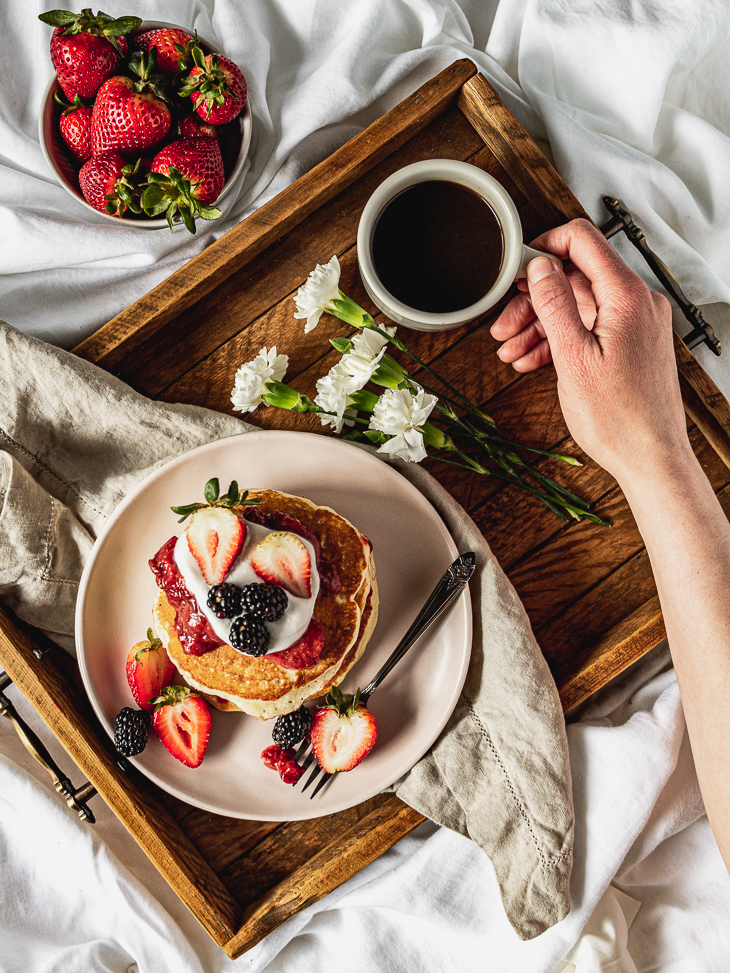
The batter comes together in about 10 minutes, making these pancakes perfect for an easy breakfast or weekend brunch. Serve them with butter and maple syrup, or spoon over my three-ingredient strawberry compote.
Why You’ll Love These Pancakes
- No store-bought buttermilk is required.
- They’re soft, fluffy and lightly sweet.
- The batter is made with simple pantry ingredients.
- They’re ready in under 30 minutes.
- You can use homemade or actual buttermilk.
- The recipe is easy to customize with berries, chocolate or spices.
The Easy Buttermilk Substitute
Making a quick buttermilk substitute is simple. Combine one cup of milk with one tablespoon of apple cider vinegar, then let it sit for 5–10 minutes.
The milk may look slightly separated or curdled. That is exactly what you want. The acidity gives the milk a tang similar to buttermilk and helps create a soft, tender pancake.
White vinegar can be used in place of apple cider vinegar. Fresh lemon juice will also work, although it may add a very subtle citrus flavour.
Can I Use Actual Buttermilk?
Yes. Substitute one cup of actual buttermilk for the milk and apple cider vinegar. You do not need to let it sit before using it.
Buttermilk is naturally thicker than regular milk, so your batter may be slightly thicker. If needed, add one or two tablespoons of milk until the batter is thick but easy to scoop.
Ingredients You’ll Need
Milk and apple cider vinegar
Together, these make a quick homemade buttermilk substitute. Whole milk will give you the richest result, but 2% milk can also be used.
If you already have buttermilk, replace both ingredients with one cup of buttermilk.
All-purpose flour
All-purpose flour creates a soft pancake with enough structure to hold its shape. For the most accurate measurement, weigh the flour or spoon it into the measuring cup and level the top.
Baking powder
Baking powder gives the pancakes their lift. Make sure yours is fresh for the fluffiest result.
Granulated sugar
A small amount of sugar lightly sweetens the batter and helps the pancakes develop golden edges.
Fine sea salt
Salt balances the sweetness and brings out the flavours of the butter and vanilla.
Unsalted butter
Melted butter adds richness and flavour to the batter. You’ll also need a little extra butter or avocado oil for greasing the pan.
Vanilla extract
Vanilla gives these simple pancakes a warm, classic flavour.
Egg
One large egg binds the batter and gives the pancakes structure.
How to Make Pancakes Without Buttermilk
1. Make the buttermilk substitute
Combine the milk and apple cider vinegar in a measuring cup or small bowl. Let it sit for 5–10 minutes while you prepare the remaining ingredients.
If you are using actual buttermilk, you can skip this step.
2. Combine the dry ingredients
In a large mixing bowl, whisk together the flour, baking powder, sugar and salt.
3. Mix the wet ingredients
In a separate bowl, whisk together the prepared milk mixture, egg, melted butter and vanilla extract.
4. Make the batter
Pour the wet ingredients into the dry ingredients. Gently mix until just combined.
A few small lumps are completely fine. Avoid overmixing the batter, as this can make the pancakes chewy instead of soft and fluffy.
5. Cook the pancakes
Heat a cast-iron or non-stick skillet over medium-low heat. Lightly grease the pan with butter or avocado oil.
Scoop approximately ¼ cup of batter into the pan for each pancake. Cook until bubbles appear across the surface and the edges begin to look set, about two minutes.
Flip and cook the second side until golden brown and cooked through.
Repeat with the remaining batter, adjusting the heat as needed.
Image placement: Pancakes cooking in the skillet.
Tips for Fluffy Pancakes
Don’t overmix the batter
Mix only until the wet and dry ingredients come together. Small lumps will disappear as the pancakes cook.
Use fresh baking powder
Older baking powder can lose its effectiveness and leave you with flat pancakes. If the container has been sitting open for a long time, it may be time to replace it.
Cook over medium-low heat
If the pan is too hot, the outside of the pancakes will brown before the centre is cooked. Medium-low heat allows them to rise and cook evenly.
Wait for bubbles before flipping
The pancake is ready to flip when bubbles form across the surface and the outer edge no longer looks wet.
Don’t press the pancakes down
Avoid pressing the pancakes with your spatula after flipping. This pushes out the air that makes them fluffy.
Keep the finished pancakes warm
Place cooked pancakes on a baking sheet in a 200°F oven while you finish the remaining batter. Arrange them in a single layer so they don’t become soggy from trapped steam.
Pancake Variations
This is a simple base recipe that can be adapted with different flavours and additions.
- Sprinkle blueberries or sliced strawberries onto each pancake before flipping.
- Add chocolate chips for a sweeter breakfast.
- Mix ½ teaspoon of cinnamon into the dry ingredients.
- Add homemade pumpkin pie spice for a fall variation.
- Fold lemon or orange zest into the batter.
- Sprinkle chopped pecans or walnuts over each pancake as it cooks.
I prefer adding fruit, chocolate or nuts directly to the pancakes in the pan instead of stirring them into the entire bowl. This distributes the additions more evenly and lets everyone customize their pancakes.
What to Serve With Pancakes
Butter and pure maple syrup are always a good idea, but you can also serve these pancakes with:
- Strawberry compote
- Fresh berries
- Whipped cream
- Greek yogurt and honey
- Nut butter and sliced banana
- Toasted pecans or walnuts
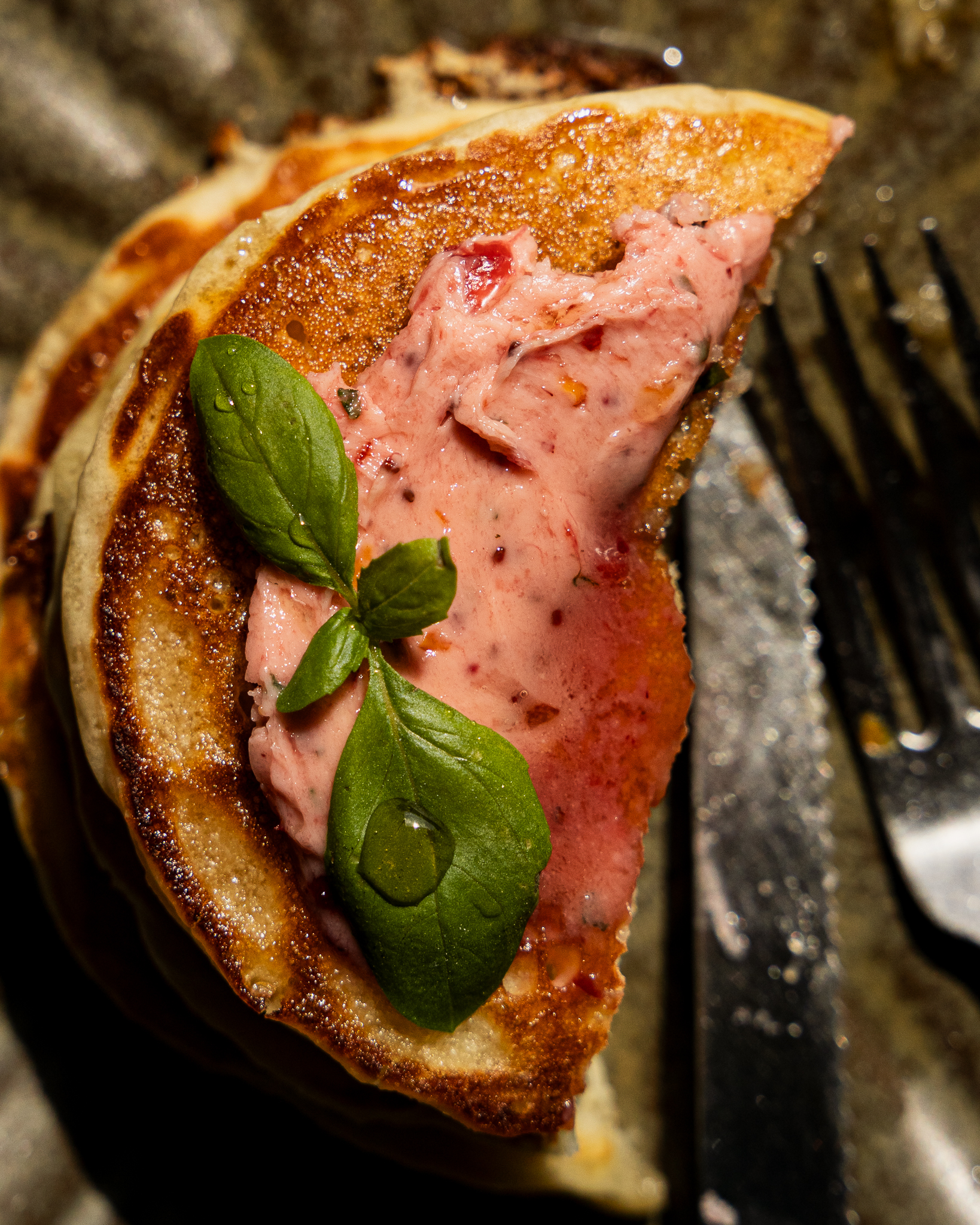
- A healthy topping of roasted strawberry basil butter
Complete your at-home brunch with a golden turmeric latte or a cup of cardamom hot chocolate.
How to Store Leftover Pancakes
Allow the pancakes to cool completely before placing them in an airtight container. Store them in the refrigerator for up to three days.
Reheat the pancakes in a skillet over low heat, in the toaster or briefly in the microwave. The toaster works especially well if you want to bring back some of the lightly crisp edges.
How to Freeze Pancakes
Arrange the cooled pancakes in a single layer on a baking sheet and freeze until firm. Transfer them to a freezer-safe container, placing parchment paper between the layers so they don’t stick together.
Frozen pancakes can be reheated in the toaster, microwave or a 350°F oven until warmed through.
Frequently Asked Questions
Can you make pancakes without buttermilk?
Yes. Combine one cup of milk with one tablespoon of apple cider vinegar and let it sit for 5–10 minutes. This creates a simple homemade buttermilk substitute.
Can I use actual buttermilk in this recipe?
Yes. Replace the milk and apple cider vinegar with one cup of buttermilk. Because actual buttermilk is thicker, you can add one or two tablespoons of milk if the batter feels too thick.
Can I use white vinegar instead of apple cider vinegar?
Yes. Use one tablespoon of white vinegar in place of the apple cider vinegar. Fresh lemon juice can also be used.
Why aren’t my pancakes fluffy?
Overmixing the batter, using old baking powder or cooking in a pan that isn’t properly heated can lead to flat or dense pancakes.
Should pancake batter rest before cooking?
You can cook this batter immediately, but letting it rest for about five minutes while the pan heats gives the flour time to hydrate.
Can I make the pancake batter ahead of time?
It is best to cook the pancakes shortly after mixing the batter. The baking powder begins working once the wet and dry ingredients are combined.
To save time, mix the dry ingredients the night before. In the morning, prepare the wet ingredients and combine the two mixtures just before cooking.
Fluffy Pancakes Without Buttermilk
Equipment
- Large mixing bowl
- Medium mixing bowl
- Measuring cups and spoons
- Cast-iron or non-stick skillet
Ingredients
- 1 cup milk
- 1 tablespoon apple cider vinegar
- 1 cup all-purpose flour
- 2 teaspoon baking powder
- ½ teaspoon fine sea salt
- 2 tablespoon granulated sugar
- 3 tablespoon unsalted butter, melted
- 1 teaspoon vanilla extract
- 1 large egg lightly beaten
- Butter or avocado oil as needed for greasing the pan
Instructions
- Combine the milk and apple cider vinegar in a measuring cup or small bowl. Let it sit for 5–10 minutes to create a quick buttermilk substitute.
- In a large mixing bowl, whisk together the flour, baking powder, salt and sugar.
- In a separate bowl, whisk together the prepared milk mixture, melted butter, vanilla and egg.
- Pour the wet ingredients into the dry ingredients. Gently mix until just combined. Do not overmix; a few small lumps are fine.
- Heat a cast-iron or non-stick skillet over medium-low heat. Lightly grease the pan with butter or avocado oil.
- Scoop approximately ¼ cup of batter into the pan for each pancake. Lightly spread the batter with the back of a spoon or ladle if needed.
- Cook for approximately two minutes, until bubbles appear across the surface and the edges begin to look set.
- Flip and cook for another one to two minutes, until the second side is golden and the centre is cooked through.
- Repeat with the remaining batter, greasing the pan and adjusting the heat as needed.
- Serve warm with butter, maple syrup, strawberry compote or your favourite toppings.
Notes
More Breakfast Recipes
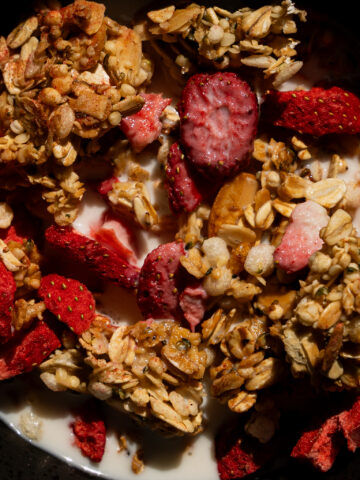
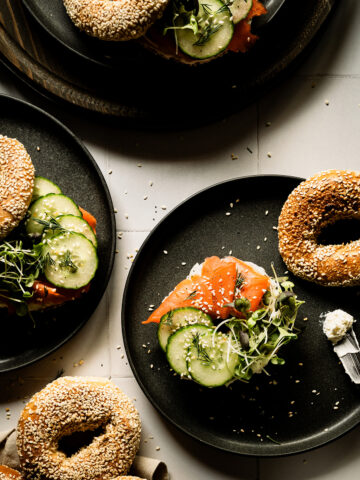
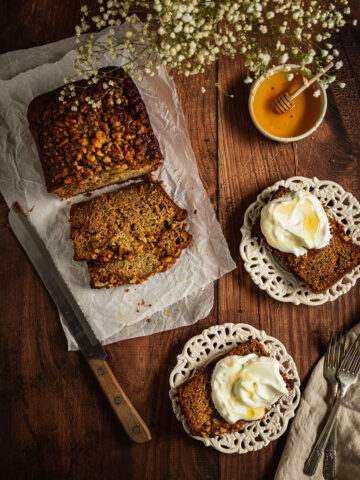
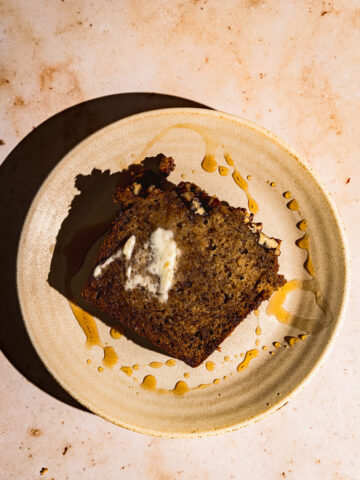
If you’re planning a full breakfast or brunch menu, try my homemade strawberry honey crunch cereal, smoked salmon bagels or maple pecan banana bread.
Leave a Reply