
The Supper Edit — meals made for evenings at home.
There are dinners you make because everyone needs to eat, and then there are dinners that change the feeling of the house while they cook.
This is the latter.
A bottom blade roast slowly cooks in a pot full of fresh tomatoes until the beef is tender enough to pull apart with a fork. The tomatoes catch all of the flavour left behind from searing the roast, soften in the oven, and then spend another ten minutes reducing on the stove until they become a rich tomato sauce.
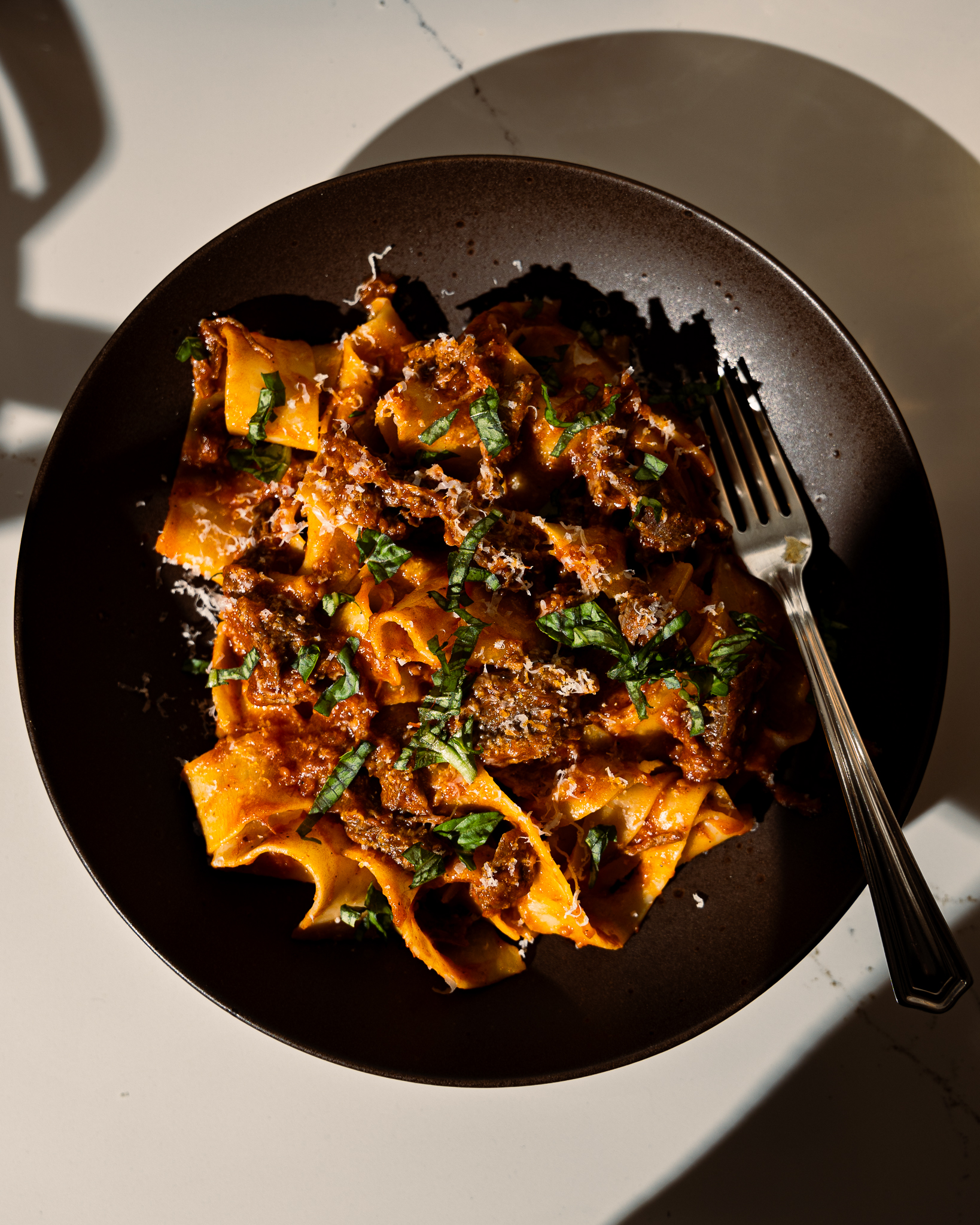
Then toss everything with wide ribbons of pappardelle.
It is simple food, but it feels generous. The kind of meal you smell long before it reaches the table.
Welcome to The Supper Edit
Meals made for evenings at home.
The kind that spends a little longer in the oven, makes the whole house smell good, and turns an ordinary night into something worth sitting down for.
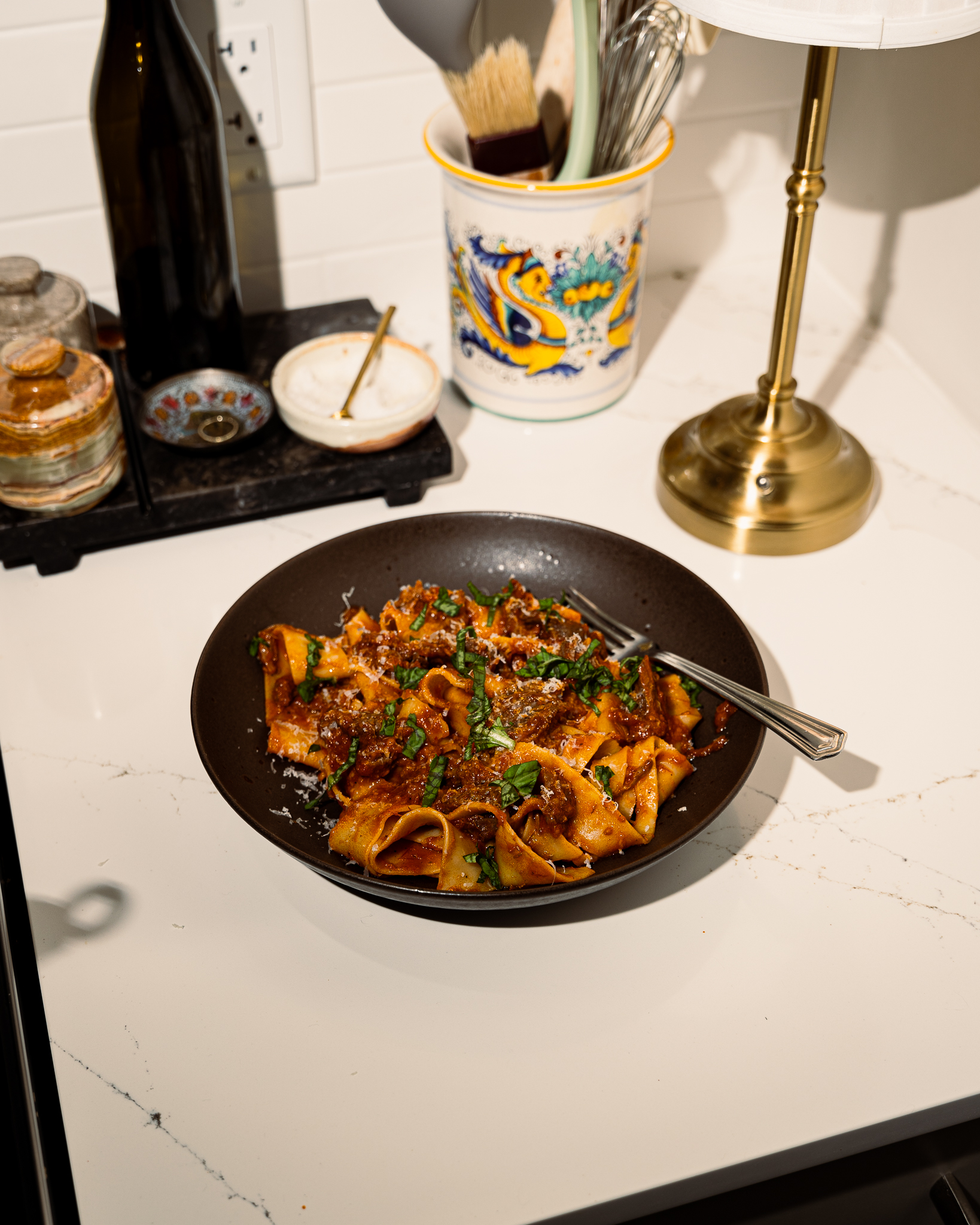
I think this pappardelle belongs here perfectly. Most of the work happens quietly in the oven while the beef slowly becomes tender and the tomatoes turn into the beginnings of the sauce.
Why bottom blade roast works so well
Bottom blade is exactly the kind of cut that benefits from a few quiet hours in the oven.
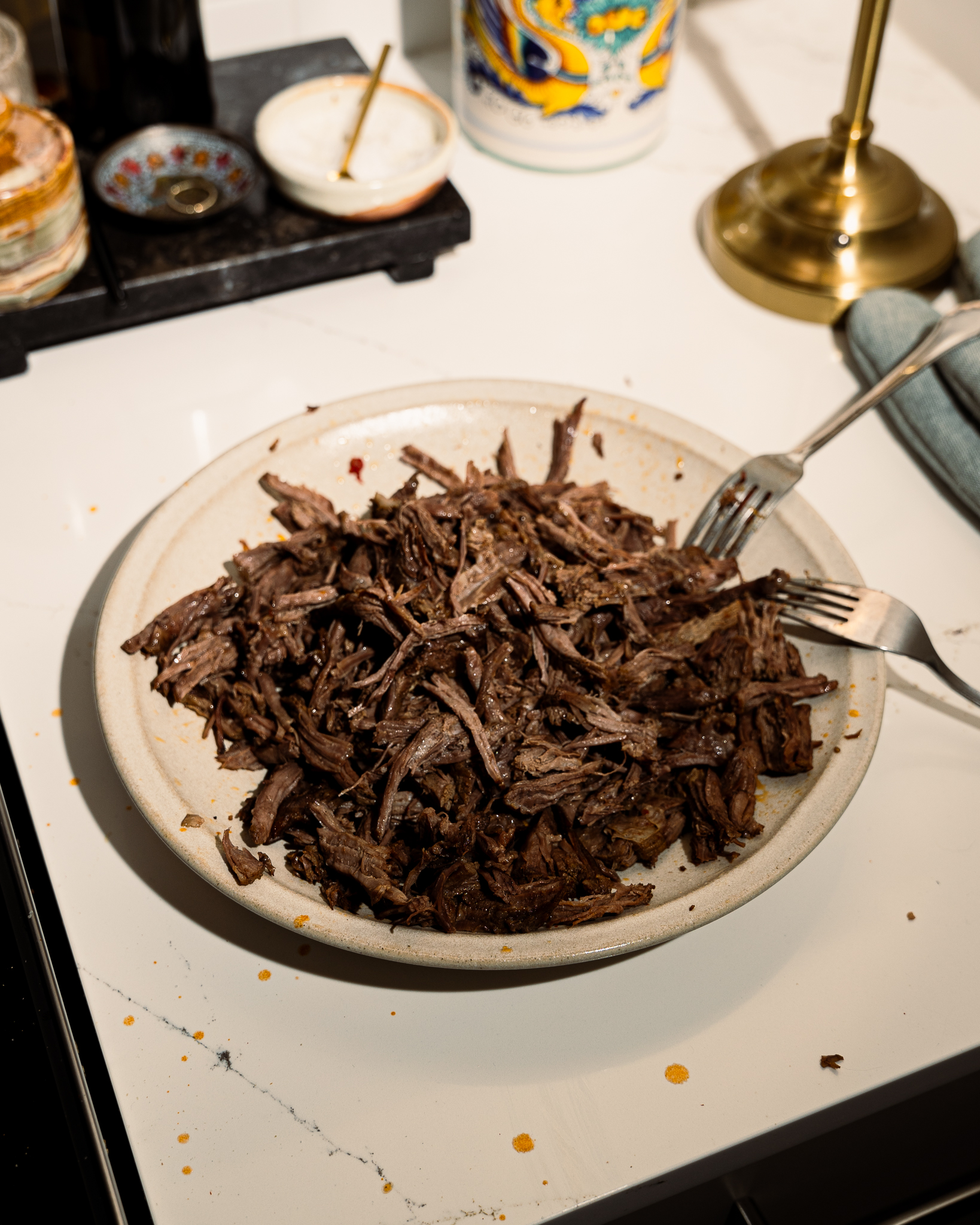
It contains connective tissue that needs time to break down. Cook it too quickly, and the beef will be firm. Give it a long, covered cook, and it becomes tender enough to pull apart with a fork.
The important thing is not to judge this roast simply by whether the beef is technically cooked.
Judge it by texture.
When a fork slides easily into the meat and you can begin pulling it apart without much resistance, it is ready.
If it is still fighting you, give it more time.
The fresh tomatoes become the sauce
There is no jarred tomato sauce here.
I use 12 ounces of cherry tomatoes and three pounds of baby Roma tomatoes. It sounds like an enormous amount of tomato, but we are making sauce for an entire 500-gram package of pappardelle.
The tomatoes release their juices as the beef braises, picking up everything left in the pot from searing the roast.
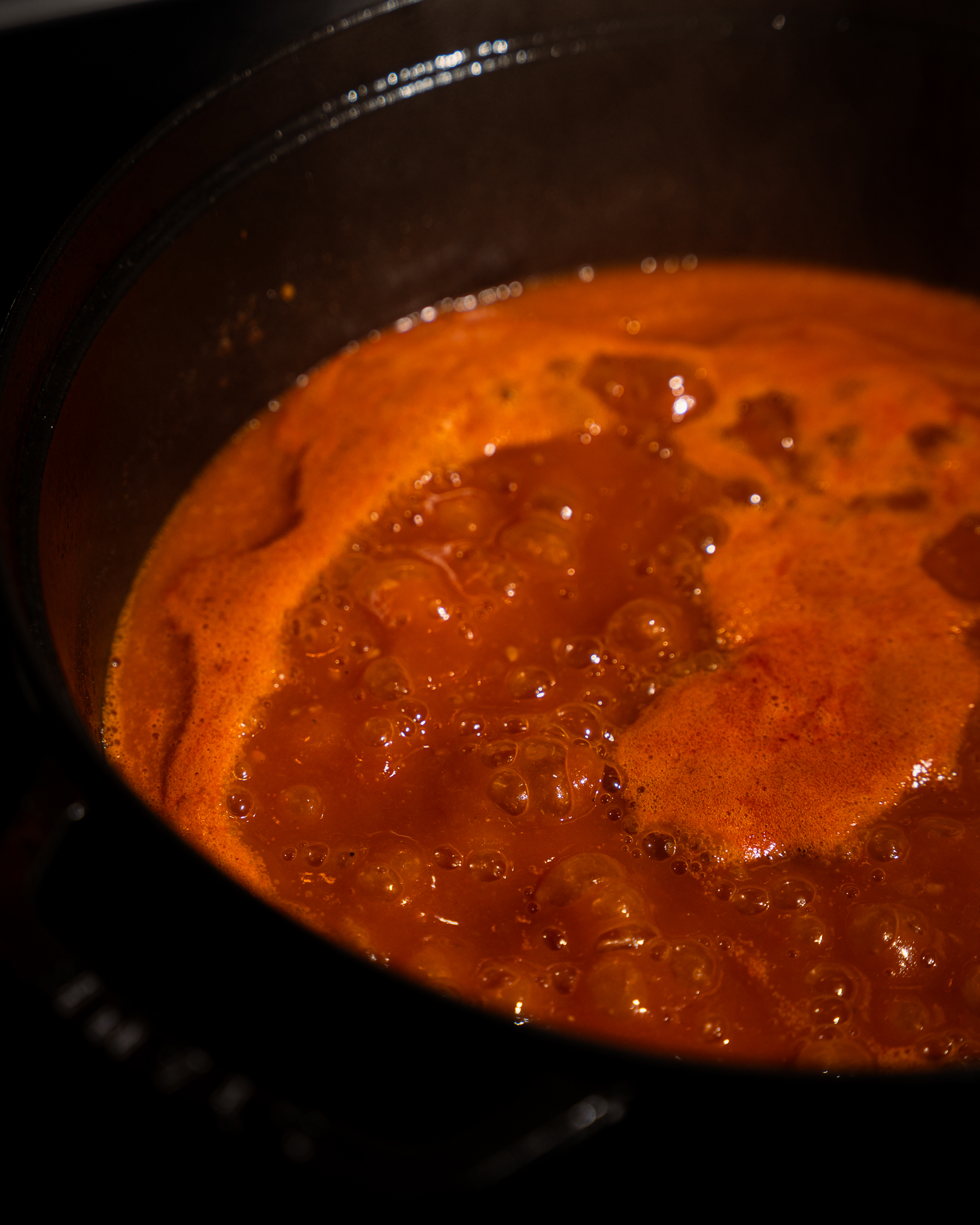
Once the beef comes out, the tomatoes are reduced uncovered for another 10 minutes.
That last reduction matters. It cooks away excess water and concentrates all of the tomato and beef flavour into a much richer sauce.
You don't need beef stock
This recipe came together without stock, and I wouldn't add it now.
A small amount of water is used to deglaze the pot after the beef is seared, pulling all of those deeply browned bits from the bottom.
Then the tomatoes do the rest.
They release an incredible amount of liquid as they cook, while the roast contributes its own juices to the pot.
By the time everything has slowly braised together, you've essentially built the flavour you were looking for directly in the Dutch oven.
Why pappardelle
A sauce with shredded beef needs a pasta that can carry it.
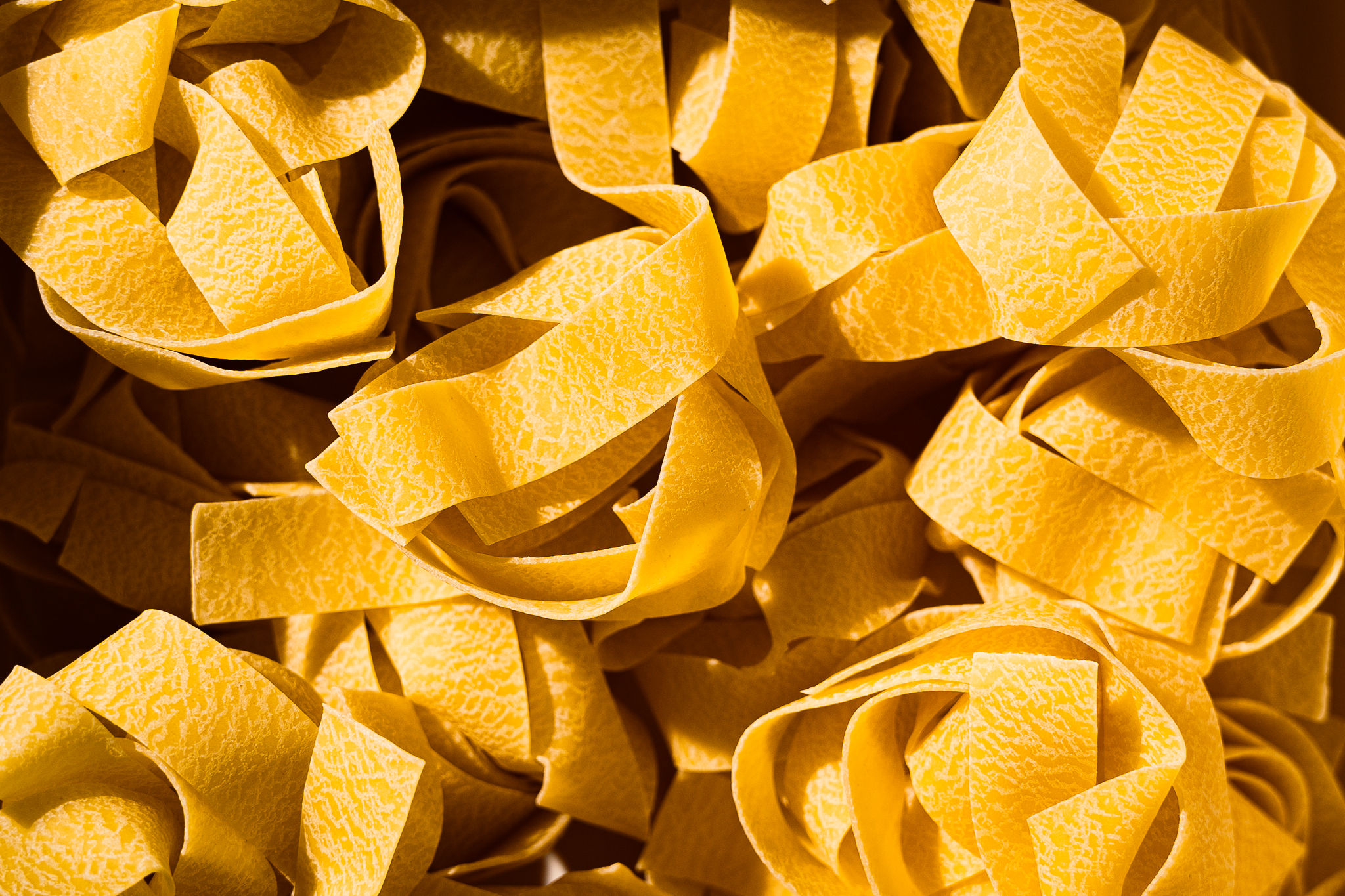
Pappardelle gives you those beautiful wide ribbons that catch the tomato sauce while holding their own against larger pieces of beef.
And I'm using the whole package.
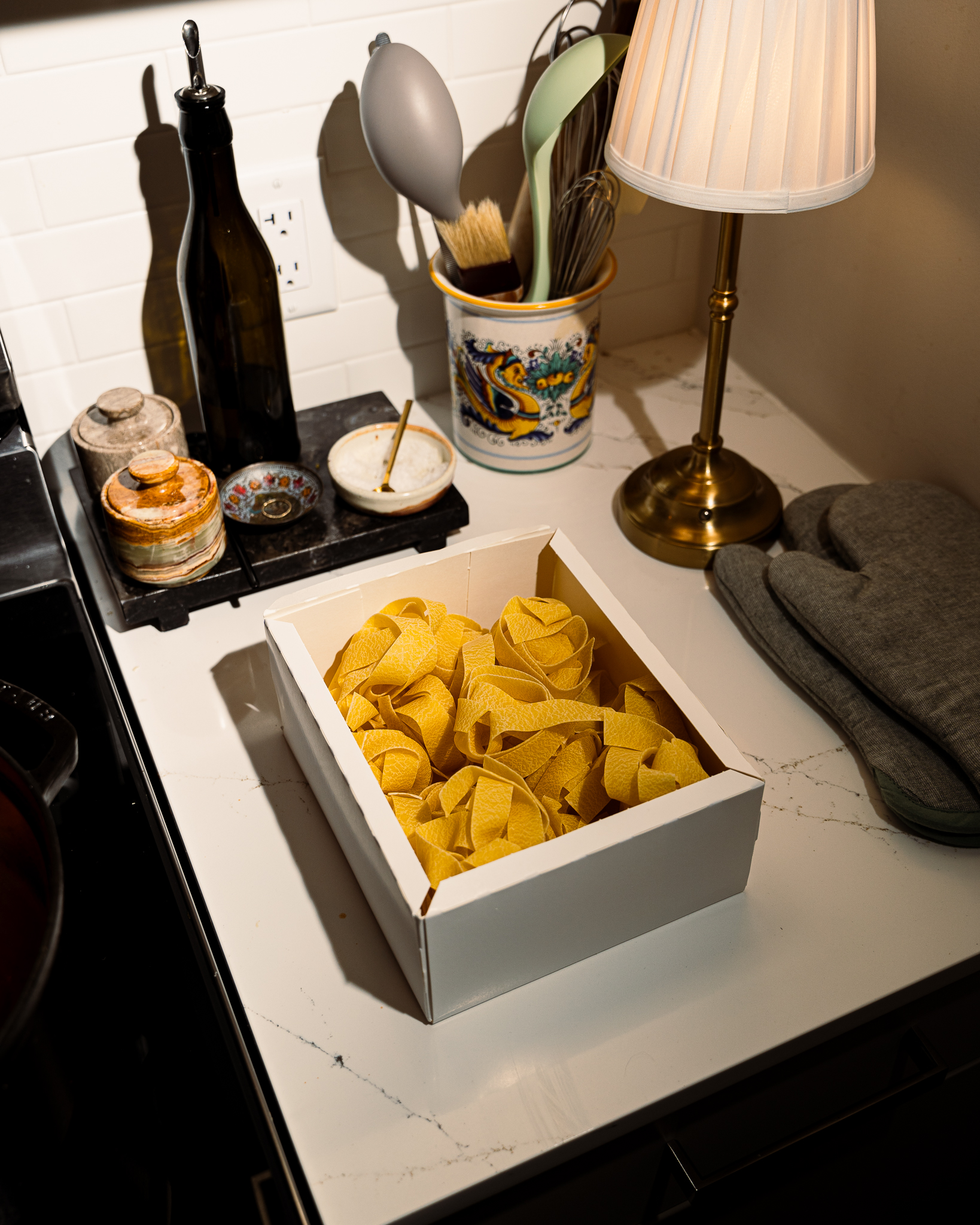
Five hundred grams of pappardelle might sound like a lot, but there is more than enough fresh tomato sauce here to coat it properly. Plus, we love leftovers here.
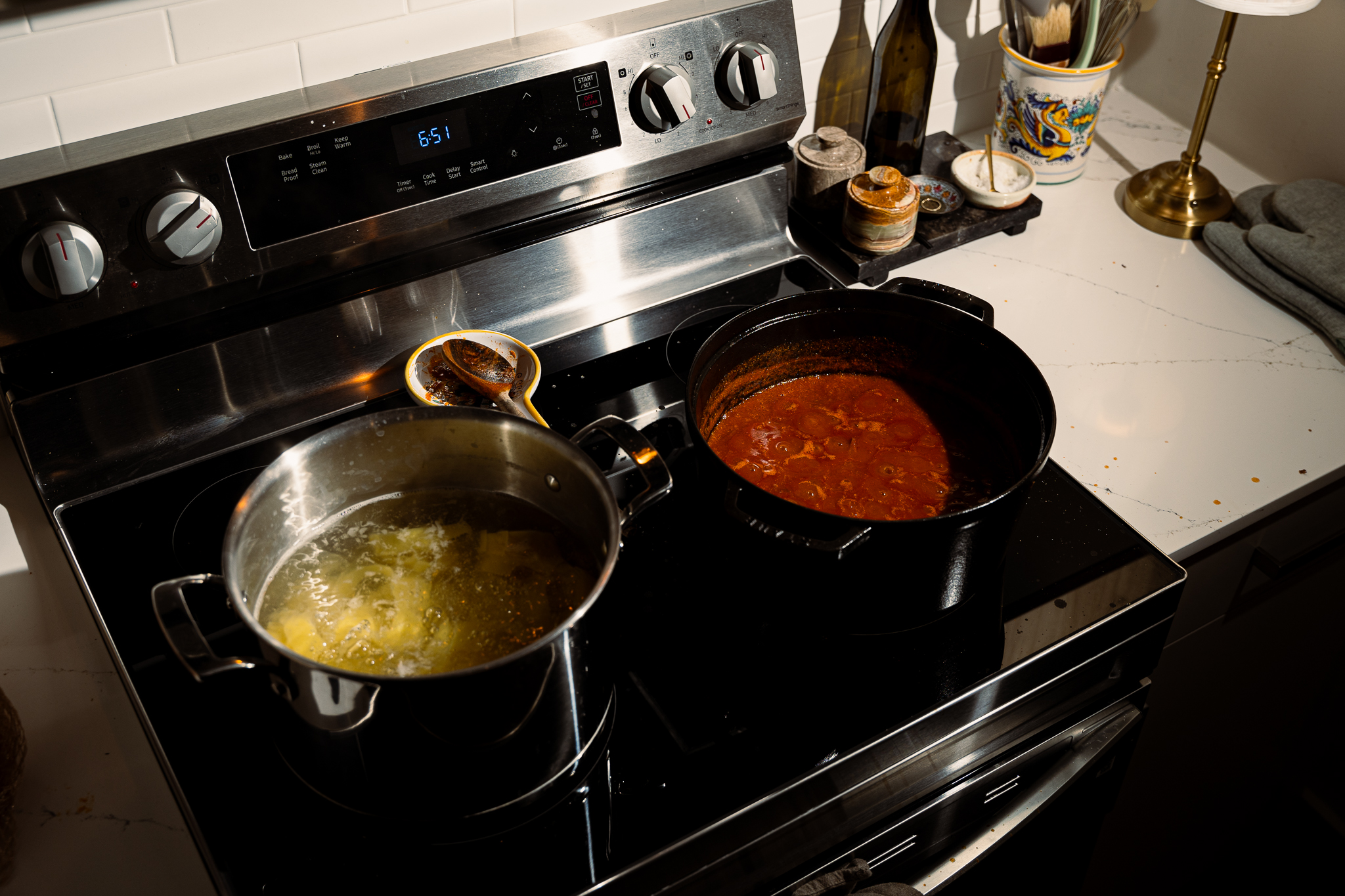
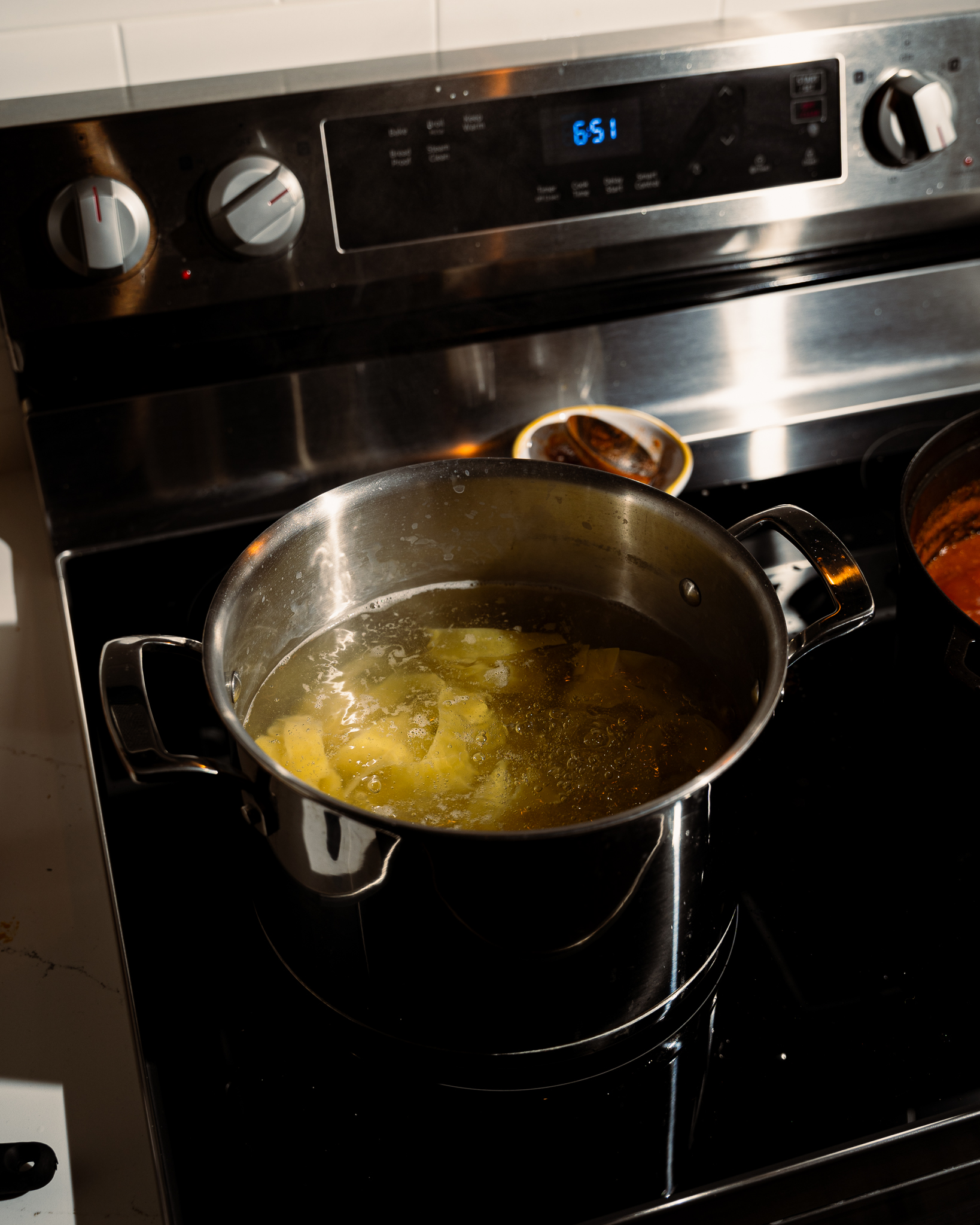
Cook it until al dente and reserve a little pasta water before draining.
But don't immediately pour that pasta water into your sauce.
With almost four pounds of fresh tomatoes, you may not need it.
Add the pappardelle directly to the reduced sauce first and toss.
Only add pasta water if the sauce actually needs loosening.
Then fold the shredded beef back through.
I like leaving some of the pieces larger instead of completely shredding the roast into fine strands. You get much better bites of beef throughout the finished pasta.

How do I know when the beef is done?
Bottom blade roast can reach a safe internal temperature before it reaches the texture we're actually looking for.
For this recipe, tenderness is the better indication.
If you try pulling the roast apart and it is still resistant, put it back into the covered pot and give it another 20–30 minutes.
When the connective tissue has properly broken down, you won't have to fight it.
Can I blend the tomato sauce?
Absolutely.
For a rustic sauce, crush the tomatoes with the back of a wooden spoon or a potato masher.
I wanted mine smoother, so an immersion blender works beautifully here. You don't have to blend it completely smooth either; a few pulses will give you a thick sauce while keeping some texture.
Can I make it ahead?
The beef and tomato sauce can be prepared a day ahead and refrigerated together.
Reheat them gently before cooking the pappardelle.
I would still cook the pasta fresh. Pappardelle continues absorbing liquid as it sits, so the texture is much better when the pasta and sauce are brought together just before serving.
How to store leftovers
Store leftovers in an airtight container in the refrigerator for up to 3 days.
Reheat gently with a small splash of water to loosen the tomato sauce as needed.
Meals made for evenings at home
There is something about a dinner that spends a few hours in the oven.
You smell it before you see it. Someone walks into the house and immediately knows what's coming. Eventually everyone ends up around the table.
That's what I want The Supper Edit to hold.
Meals made for evenings at home.
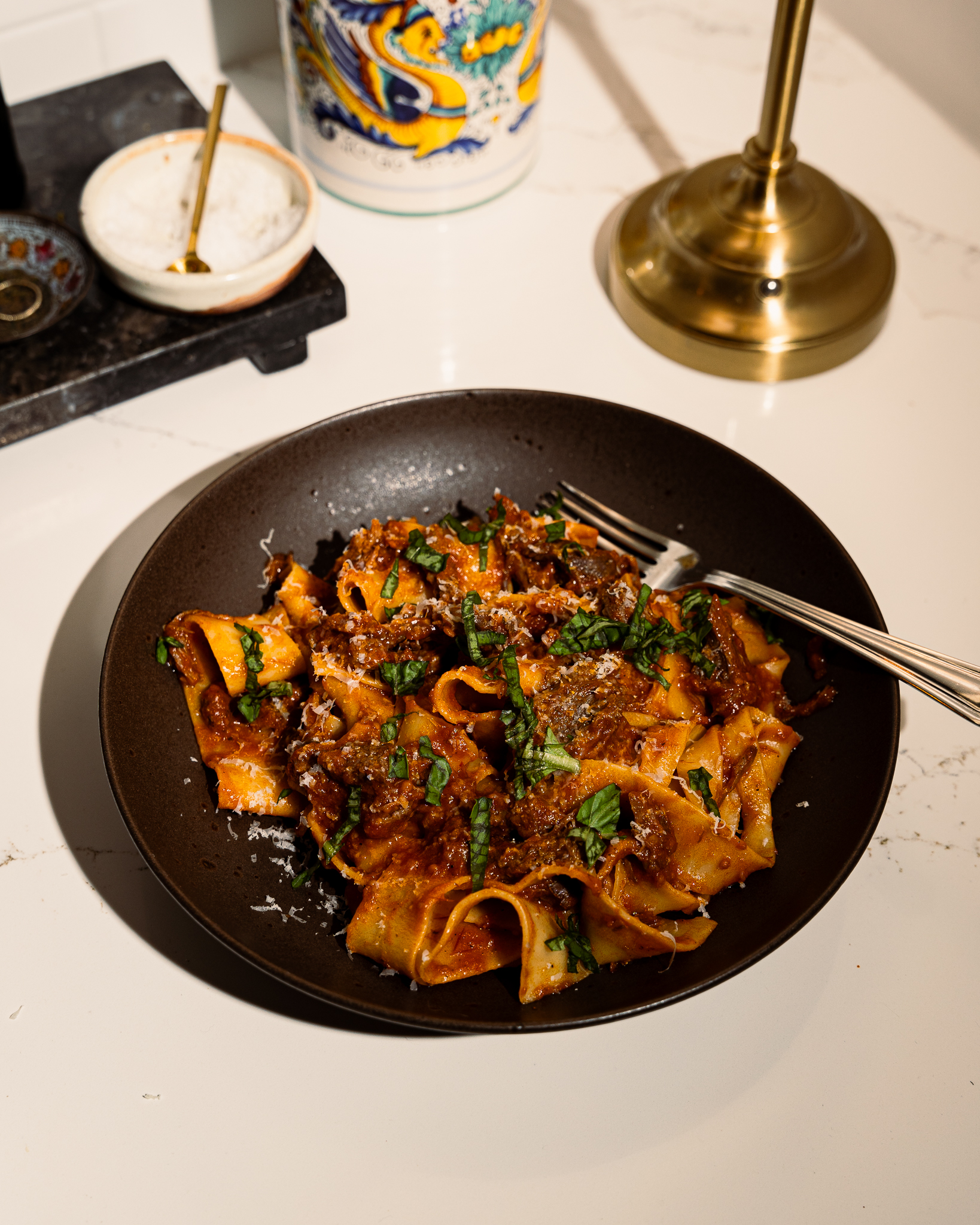
Braised Beef Pappardelle with Fresh Tomato Sauce
Equipment
- Dutch Oven
Ingredients
For the beef
- 2 lb bottom blade roast
- 1 teaspoon fine sea salt
- 1 teaspoon garlic powder
- 1 teaspoon onion powder
- 1 teaspoon paprika
- ¾ teaspoon freshly ground black pepper
- 1 tablespoon olive oil
For the tomato sauce
- 12 oz cherry tomatoes
- 3 lb baby Roma tomatoes
- 1 medium yellow onion Quartered
- 1 large shallot Quartered
- ¼ cup water
- 1½ teaspoon dried oregano
- 1 teaspoon fine sea salt plus more to taste
- ¼ teaspoon freshly ground black pepper plus more to taste
For the pasta
- 500 g pappardelle
- Reserved pasta water as needed
- Freshly grated Parmesan for serving
- Fresh basil for serving
Instructions
- Preheat the oven to 325°F (165°C). Pat the roast dry.
- Combine the sea salt, garlic powder, onion powder, paprika and black pepper. Season the roast all over.
- Heat the olive oil in a large Dutch oven over medium-high heat. Sear the roast for 2–3 minutes per side until deeply browned. Transfer to a plate.
- Reduce the heat to medium. Add the onion and shallot and cook for 2–3 minutes.
- Add the cherry tomatoes and baby Roma tomatoes. Cook for about 5 minutes, stirring occasionally, until they begin to soften.
- Pour in the water and scrape the bottom of the pot well to release all of the browned bits.
- Return the beef to the Dutch oven and nestle it into the tomatoes. Cover and bake for approximately 2½–3 hours.
- Begin checking the beef around 2½ hours. It is ready when a fork slides in easily and the meat pulls apart without much resistance.
- Transfer the beef to a plate and rest while you finish the sauce.
- Place the Dutch oven over medium heat. Add the oregano, sea salt and black pepper. Simmer uncovered for 10 minutes, stirring occasionally.
- Blend the tomatoes with an immersion blender.
- Shred the rested beef into generous pieces.
- Bring a large pot of well-salted water to a boil and cook the pappardelle until al dente. Reserve about 1 cup of pasta water before draining.
- Add the pappardelle directly to the tomato sauce and toss well. Add a little pasta water only if needed.
- Fold the shredded beef through the pasta.
- Serve with freshly grated Parmesan and fresh basil.


Leave a Reply