
There are few things more satisfying than making butter from scratch.
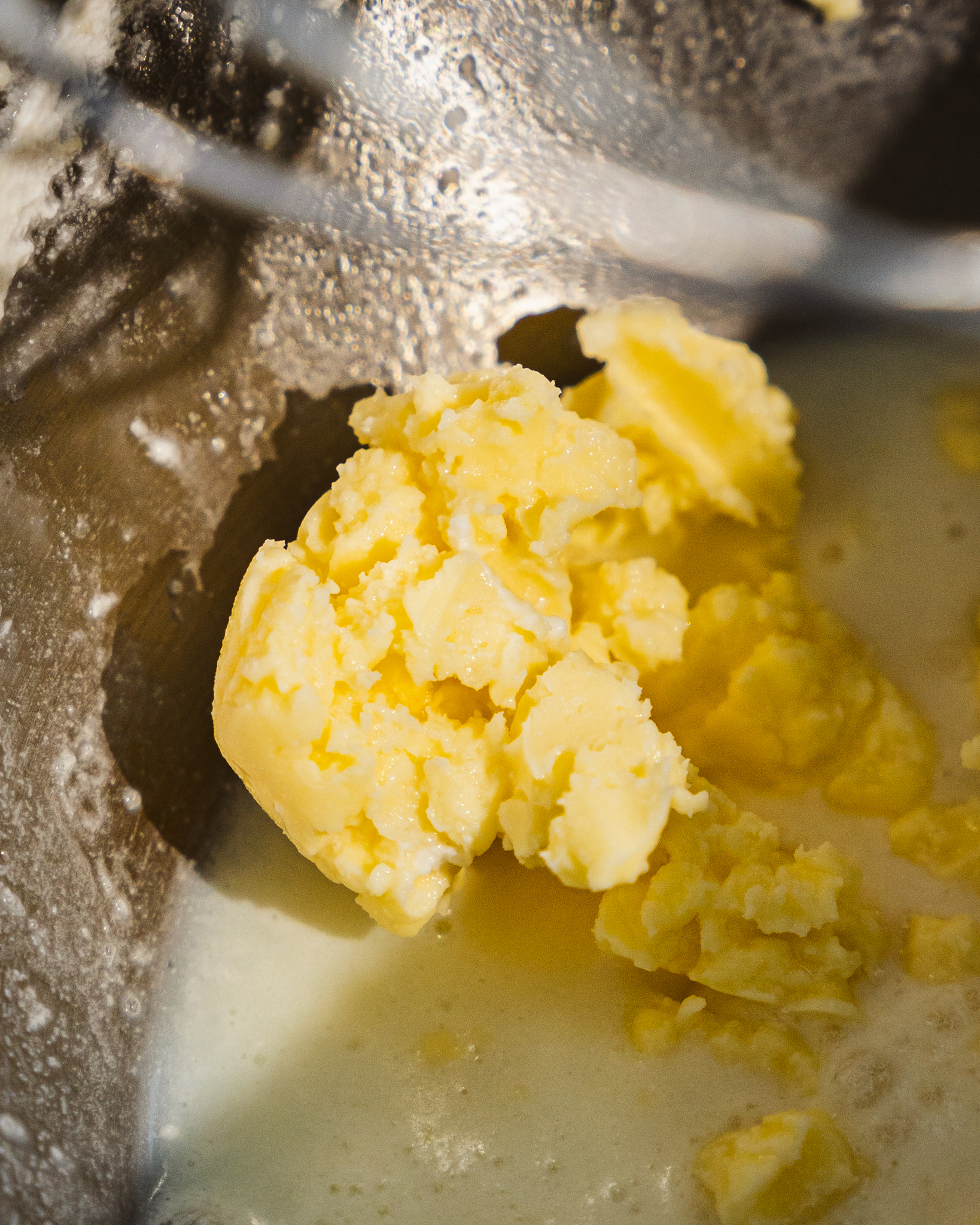
With nothing more than heavy cream and a stand mixer, you can transform one simple ingredient into rich, creamy homemade butter in about 15 minutes. Once you've made it yourself, you'll understand why I rarely buy butter for my flavoured butter recipes anymore.
This homemade butter has a fresh, clean flavour that's perfect spread on warm bread, melted over vegetables, or transformed into one of my favourite compound butters.
Whether you're making butter for the very first time or looking for a reliable method, this step-by-step guide will walk you through everything you need to know.
Why You'll Love This Recipe
This recipe creates a delicious unsalted butter that can be enjoyed as-is or used as the base for homemade compound butters, baking and everyday cooking.
- Made with just one ingredient.
- Ready in about 15 minutes.
- Rich, fresh flavour you can't buy at the grocery store.
- Perfect base for homemade flavoured butters.
- A fun kitchen project that feels a little magical.
What You'll Need
- Heavy cream (35%)
- Fine sea salt (optional)
Equipment

- Stand mixer (recommended)
- Large mixing bowl (if using a hand mixer)
- Fine mesh sieve
- Large bowl of ice water
- Wooden spoon or spatula
- Clean tea towel or cheesecloth
- Airtight container
What Happens When You Make Butter?
When heavy cream is whipped, the fat molecules begin to stick together.
First you'll make whipped cream.
Keep mixing and eventually the cream "breaks." The butterfat separates from the liquid, leaving you with butter and fresh buttermilk.
The buttermilk is drained away, while the butter is washed to remove any remaining liquid. This helps your butter stay fresh longer.
Ingredients
- 2 cups (480 ml) heavy cream (35%)
- ½ teaspoon fine sea salt (optional)
How to Make Homemade Butter
Step 1: Whip the cream
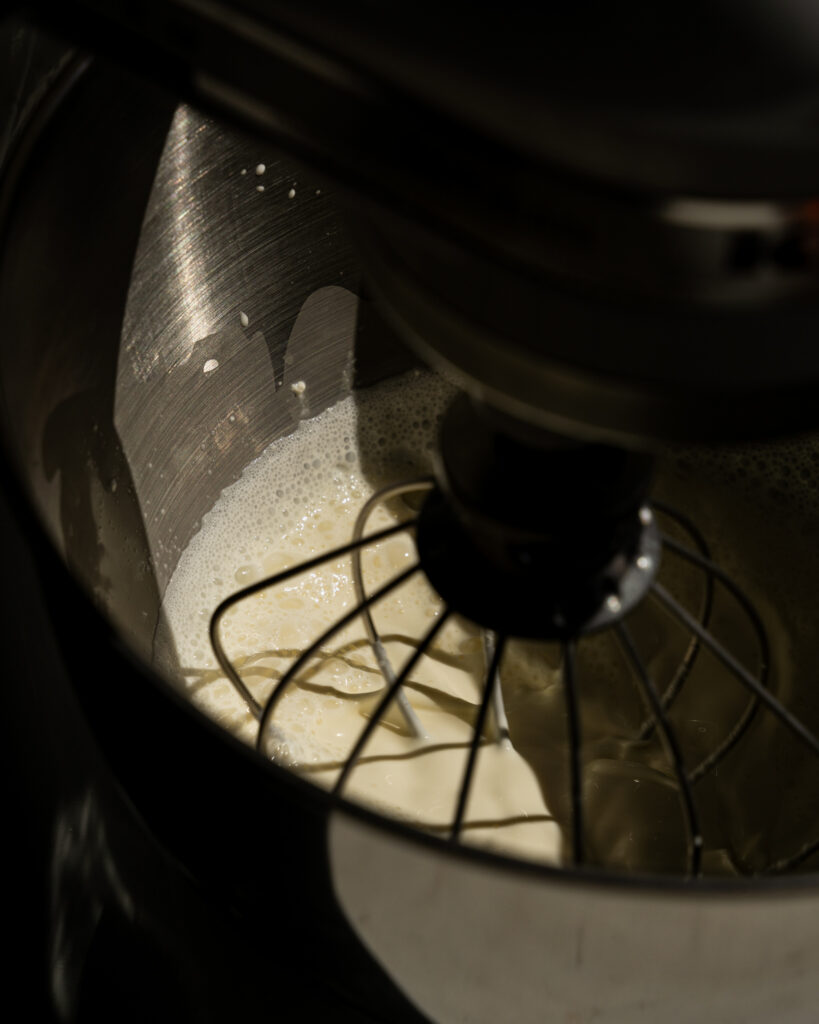
Pour the cold heavy cream into the bowl of a stand mixer fitted with the whisk attachment.
Begin on medium speed.
The cream will slowly become thick before reaching the whipped cream stage.
Continue mixing.

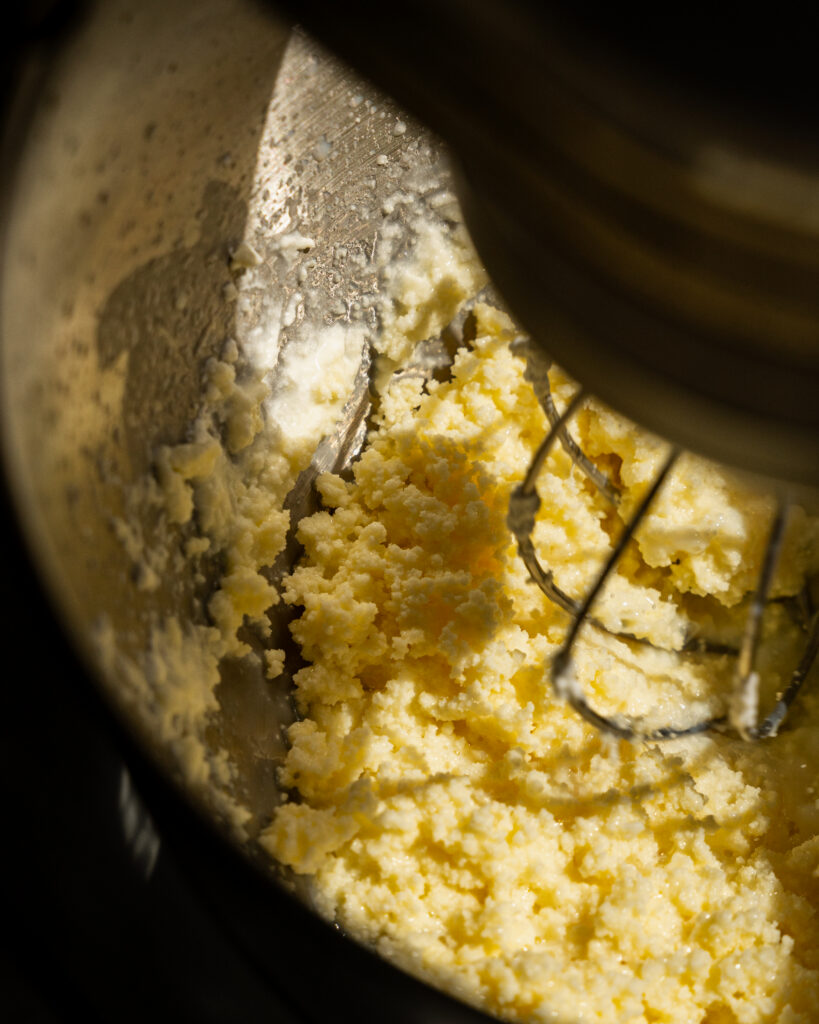
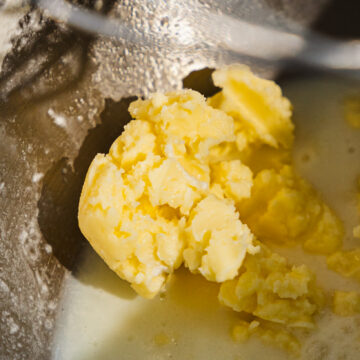
After several more minutes, the whipped cream will suddenly collapse, and you'll notice yellow butter clumps forming while liquid splashes around the bowl.
That's exactly what you want.

Step 2: Separate the butter
Place a fine mesh sieve over a bowl and pour everything through it.
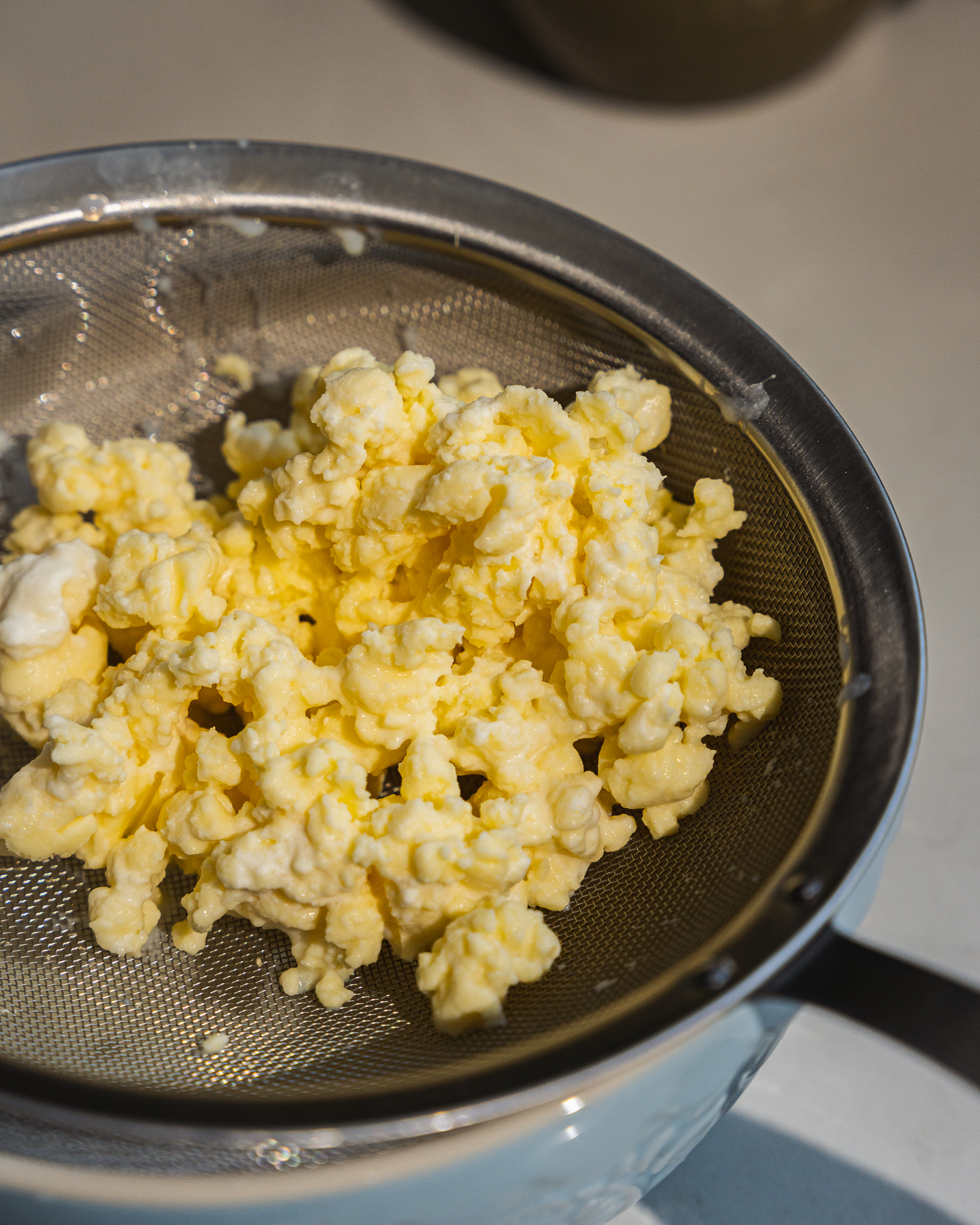
The liquid is fresh buttermilk.
Save it for pancakes, biscuits, muffins or baking.

Step 3: Wash the butter
Transfer the butter into a bowl of ice-cold water.
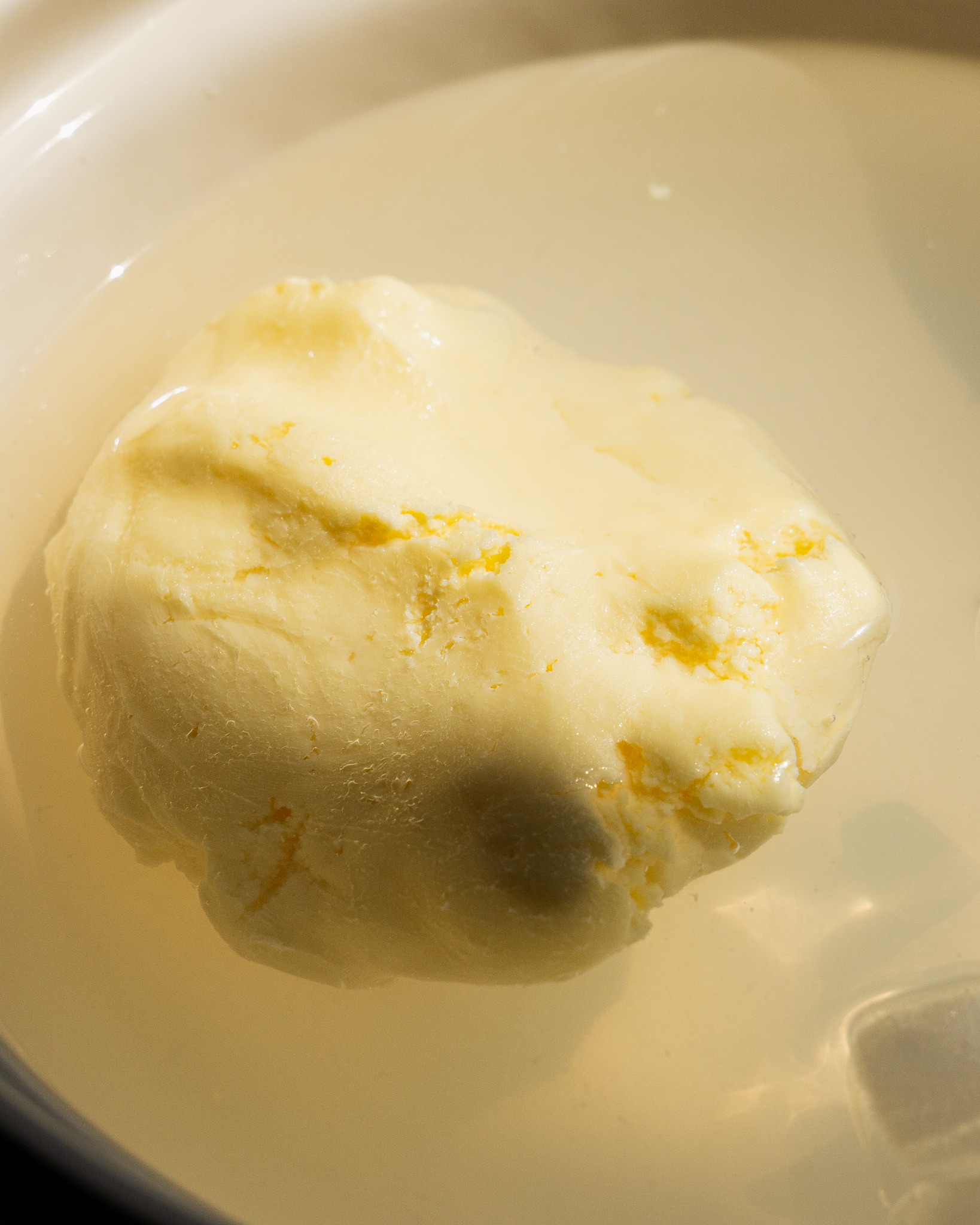
Using a wooden spoon or your hands, gently press and fold the butter.
The water will quickly become cloudy.
Drain the water and repeat with fresh cold water until it stays mostly clear.
This usually takes 3–5 washes.
Step 4: Remove excess water
Press the butter against the side of the bowl or wrap it in a clean tea towel and gently squeeze out any remaining moisture.
Removing as much water as possible helps your butter last longer.
Step 5: Season (Optional)
Mix in fine sea salt if desired.
Leave it unsalted if you plan on using it for baking or flavoured butter recipes.
Why Do You Need to Wash Butter?
Washing removes leftover buttermilk trapped inside the butter.
If it's left behind, the butter spoils more quickly.
Taking a few extra minutes to wash it properly gives you fresher butter with a longer shelf life.
Can I Use a Hand Mixer?
Yes.
A hand mixer works perfectly; it simply takes a little longer.
You'll also want to use a deep bowl since the buttermilk can splash once the butter separates.
How Much Butter Does It Make?
From 2 cups of heavy cream, you'll get approximately:
- 225–250 g butter (about 1 cup)
- 1 cup fresh buttermilk
The exact amount depends on the fat content of your cream.
How to Store Homemade Butter
Refrigerator:
Store in an airtight container for up to 2 weeks.
Freezer:
Wrap tightly and freeze for up to 3 months.
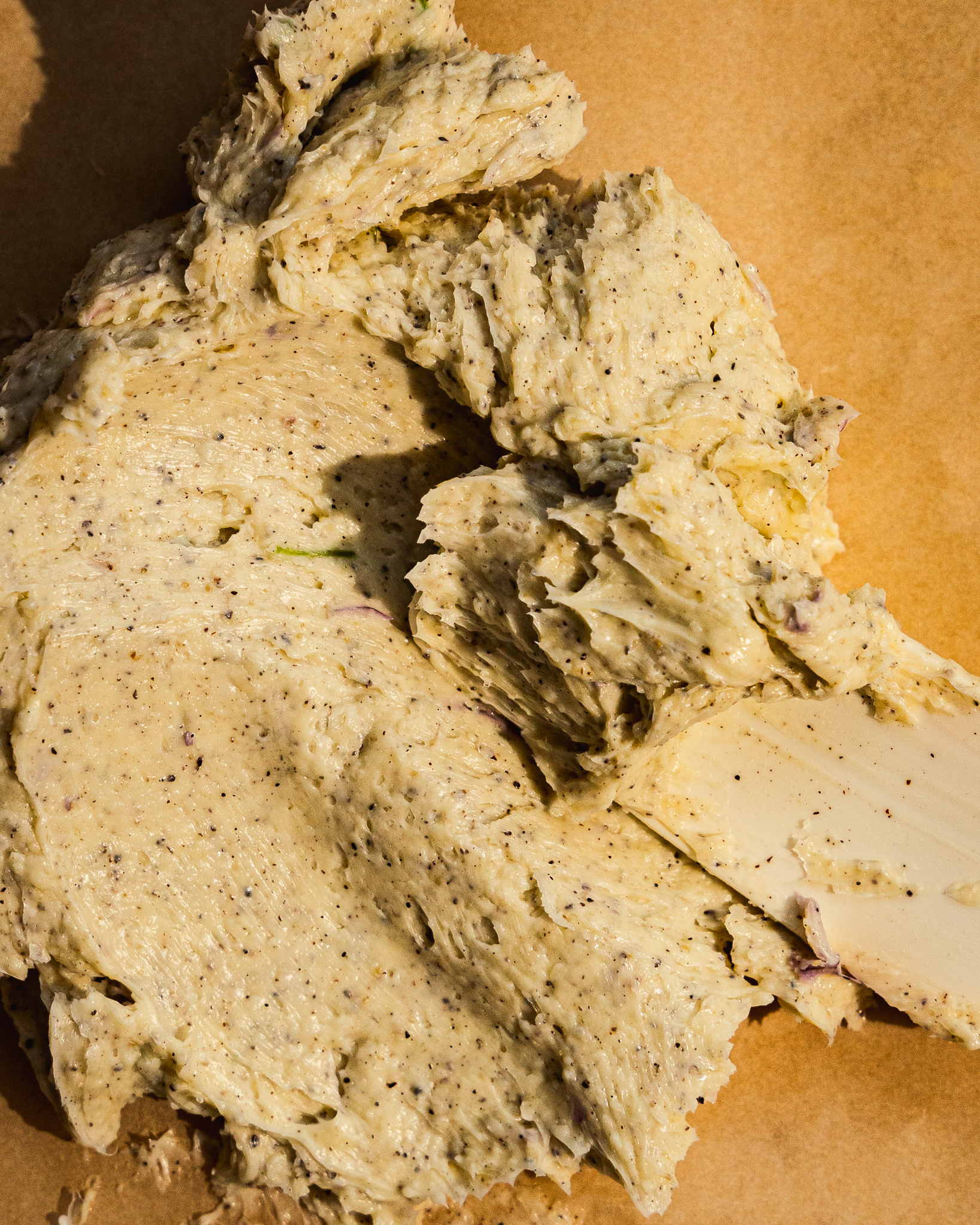
Ways to Use Homemade Butter
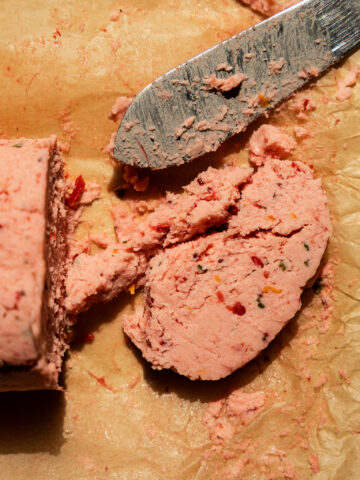
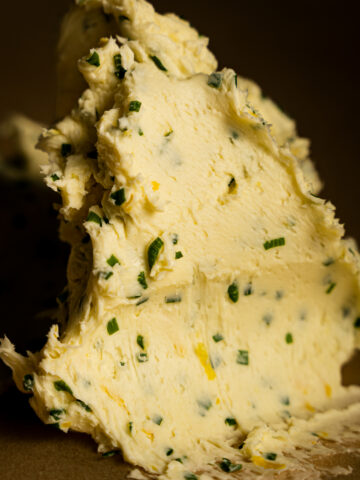
Once you've mastered homemade butter, it's easy to turn it into something special.
Try making:
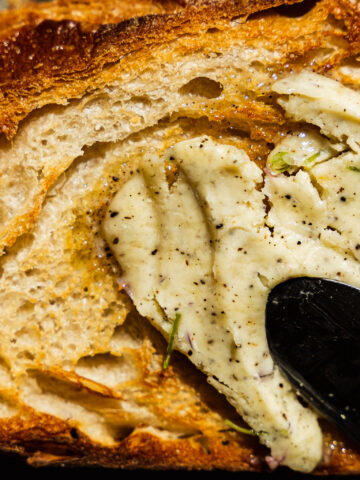
Or simply spread it over warm sourdough, fresh biscuits, pancakes, roasted vegetables or baked potatoes.
Tips for Success
- Use cold heavy cream.
- Don't stop at whipped cream; keep mixing until the butter separates.
- Wash thoroughly with ice water.
- Remove as much moisture as possible before storing.
- Leave it unsalted if you'll be using it in baking.
Homemade Butter
Equipment
- Stand mixer or hand mixer
- Whisk attachment
- Fine mesh sieve
- Large bowl
- Wooden spoon or silicone spatula
- Clean tea towel (optional)
Ingredients
- 2 cups 480 ml heavy cream (35%)
- ½ teaspoon fine sea salt optional
Instructions
- Pour the cold heavy cream into the bowl of a stand mixer fitted with the whisk attachment. Mix on medium speed until the cream becomes whipped cream, then continue mixing until the butter separates from the buttermilk, about 10–15 minutes.
- Place a fine mesh sieve over a bowl and pour the mixture through the sieve. Reserve the fresh buttermilk for baking if desired.
- Transfer the butter to a bowl of ice-cold water. Gently press and fold the butter with a wooden spoon or your hands. Drain the cloudy water and repeat with fresh cold water until the water runs mostly clear, about 3–5 washes.
- Press the butter firmly against the side of the bowl or wrap it in a clean tea towel and gently squeeze out any remaining water.
- Mix in the salt, if using. Leave the butter unsalted for baking or future flavoured butter recipes.
- Transfer to an airtight container or wrap in parchment paper, and refrigerate until ready to use.
Notes
Don't stop mixing once you reach whipped cream—the butter will eventually separate.
Washing the butter thoroughly helps remove leftover buttermilk, improving freshness and shelf life.
Homemade butter keeps in the refrigerator for up to 2 weeks or can be frozen for up to 3 months.
Save the fresh buttermilk for pancakes, biscuits, muffins or quick breads.
Frequently Asked Questions
Why didn't my butter separate?
Usually the cream simply needs more time. Keep mixing—it often takes 10–15 minutes depending on your mixer.
Can I use whipping cream?
Yes, as long as it's at least 35% milk fat.
Is homemade butter healthier?
Homemade butter contains the same basic ingredients as traditional butter but without stabilizers or added ingredients found in some commercial products.
Can I freeze homemade butter?
Absolutely. Wrap it tightly and freeze for up to three months.
What do I do with the buttermilk?
Fresh buttermilk is wonderful in:
- Pancakes
- Biscuits
- Scones
- Muffins
- Quick breads
Leave a Reply